

Gas Safety Certificate - Legal Requirement For Homeowners and Landlords
A gas safety certificate is a vital document for anyone who owns the property that has gas supplies. This document details the results of an inspection carried out by an engineer from the Gas Safe engineer.
It also explains if they passed or failed the test. It also lists whether they passed or failed the test.
Legal Requirements
A Gas Safety Certificate is a legal requirement in many areas and is an essential document for landlords and homeowners alike. It is a valuable tool to ensure the safety of tenants, and protect owners from liability that may result from their failure to maintain their appliances or infrastructure. It can also be beneficial when renting or selling an apartment, as it shows a commitment towards security and speed the process.
The CP12 certificate contains a range of important information that include the date and the name of the engineer who carried out the inspection as well as the address of the property and a list of all the gas appliances and flues examined, as well as an assessment of the condition of each appliance (pass or fail). It's essential for landlords to examine their Gas Safe registered engineer's ID before allowing them to enter their homes to ensure that they've been properly trained, certified, and insured to perform the work.
Landlords are responsible for all pipes and appliances in their buildings, including those owned by tenants and occupied by them and communal areas as well as any appliances that are used by multiple tenants. They must also give a copy of their Gas Safety Record to all tenants at the start of each lease. It is recommended that landlords keep records of previous inspection certificates and dates for easy reference in the future.
Landlords, irrespective of whether they are the original owners or not, need to get and pay for an Gas Safe Certificate prior to selling their property. This will assure potential buyers that the property will be safe to live in, and speed up the conveyancing procedure.
It is essential for landlords to keep track of their Gas Safety Certificates, and to ensure that they're kept current prior to every lease. If they employ a management company to handle maintenance, they should ensure that the contract with the agency clearly defines who is responsible for arranging and paying for annual checks. It's also an excellent idea for landlords to snap pictures of their gas appliances and gas installations before each check to make it easier to trace the history of each one.
Peace of Mind
Gas safety inspections, even though they are not a legal requirement, are still highly recommended. This assures that your home's gas appliances and installations are safe to use and minimizes the risk of costly complications in the future. It also helps protect against fires and other health hazards that can result from faulty appliances, such as carbon monoxide poisoning.
During how much gas safety certificate , a trained engineer will inspect your gas appliances and installations, examining for things like gas leaks, proper ventilation and appliance performance. The engineer will write a detailed report and issue a gas safety certification. The certificate will contain the address of your home, the name and contact details of the engineer, as well as the date of the inspection and a list of all gas appliances that were inspected. If any of the appliances were deemed to be unsafe the engineer will ask that they be removed from the supply and will provide recommendations for corrective work.
If you're a homeowner considering selling your house in the near future having an official gas safety certificate can speed up the process by providing potential buyers with peace of assurance. This will demonstrate that you are concerned about the safety of your occupants and are committed to keeping your home's systems in good working in good working order.
As a landlord, you are legally required to have your gas appliances and flues examined annually by a Gas Safe registered engineer. This is to protect tenants from gas leaks, carbon dioxide poisoning and fires which can cause serious damage and even death.
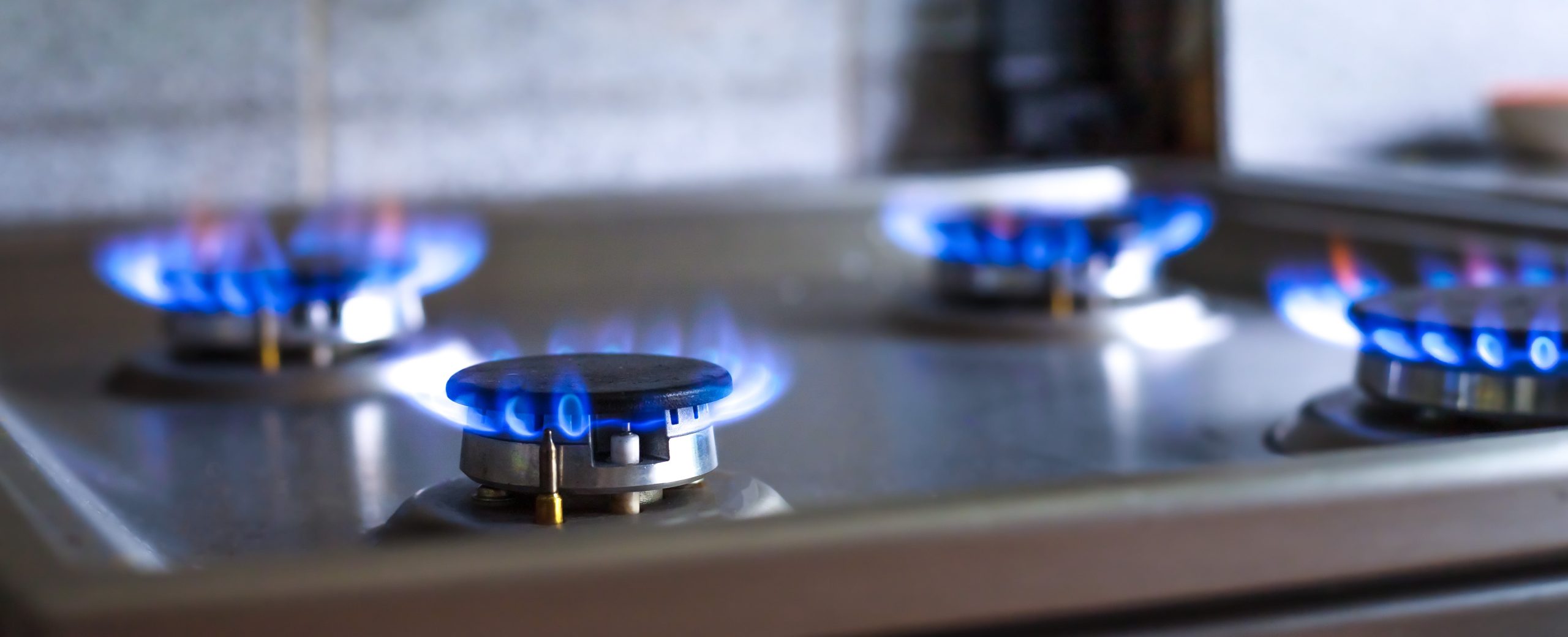
A gas safety certificate doesn't only demonstrate your commitment to ensure your tenants' health as well as make your business more attractive to potential tenants. In addition, if any problems are discovered they can be addressed promptly, minimizing the risk of liability claims and accidents.
It's important that you communicate with your tenants to let them know the date of the inspection and how they can get an inspection report. This will ensure that your tenants are aware of any potential hazards within your home and are less likely to attempt and cover them up, putting their lives at risk.
Insurance
Homeowners aren't legally required to have gas inspections carried out by a qualified engineer, but it's an excellent idea. Conducting an inspection of your appliances regularly by a skilled professional can help you identify any issues that could grow and put you or your family at risk. It could also help you identify possible dangers, such as carbon monoxide, an extremely odorless gas that can accumulate in your home if appliances have not been properly maintained.
Landlords, however, are legally required to have their properties examined for gas safety by a certified engineer and get a CP12 (Landlord Certificate) as part of their legal duties when renting out their property. The certificate is proof that the flues and appliances in their property are safe to use and are in good operating condition.
A CP12 document is a standard document in yellow and black that contains the details of an inspection, including the date, the name of the gas engineer, and Gas Safe Register number. It will also include an inventory of the appliances that have been inspected, and the engineer will also note any issues or concerns they have found. The engineer will note on the CP12 that an appliance is unsafe and ask that it to be shut down immediately.
The CP12 will also include if any maintenance work is required to ensure that the appliance is safe to use, and this information will also be recorded. The engineer will generally recommend that any gas appliance being serviced is completed at the same time as the annual CP12 inspection, to help ensure that the appliances are in working condition and safe to be used.
You can save money on insurance by keeping your gas safety certificate on hand. Some insurers require that you have a CP12 before they will cover you. You can save money on repairs by keeping up with inspections and addressing problems when they occur. This can also speed up future insurance claims.
Tenant Requirements
While landlords are legally accountable for the safety of gas in their rental properties, tenants also have a vested interest in making sure that the appliances in the rental property are safe to use. Tenants can help avoid accidents by requesting a copy of the annual gas safety certificate from their landlord and reminding them to carry these checks out as required.
The gas safety certificate is a vital document that shows whether gas appliances and flues that are in your rental property are suitable for use and safe for. It includes a list of the gas appliances that have been examined by an Gas Safe registered engineer, an assessment of each appliance's state (either "pass" or "fail'), and a date when the next inspection is due. It also lists the name and registration number of the Gas Safe registered engineer who conducted the inspection as well as the address for the property which was inspected.
Landlords must provide copies to current tenants within 28-days of the annual service, and to tenants who are new before the beginning of their tenancy. The landlord is also responsible to display a copy of the gas safety certificate at the rental property.
A valid gas safety certificate could be a benefit for a homeowner when it comes to the sale of the property as it proves that the home has been checked and is free of dangerous gas appliances and fittings. A valid gas safety certificate could also make it easier for homeowners to obtain insurance on their property.
Some landlords are possessive of the property they lease and are unable to permit maintenance or gas safety inspections. If the tenant and landlord cannot come to an agreement, the landlord is required to take all reasonable steps to comply with the Gas Safety Installation and Use Regulations 1998, which includes repeated attempts to gain access, and sending a letter to the tenants explaining that safety checks are a legal requirement to ensure the safety of everyone. If the landlord is not able to gain access to the property to conduct a safety inspection and is unable to do so, they should seek legal advice.