

Landlord Gas Safety Certificate Price
Landlords are required to maintain their gas appliances every year, including boilers and fires. This is not just a legal requirement however, it also helps to keep tenants safe by ensuring the appliances are in good condition.
This article will examine average costs, price-affecting factors and provide some easy ways to ensure compliance at a reasonable cost.
Costs will depend on the amount of appliances.
Gas safety certificates are legally required for landlords in the UK. These certificates, known as CP12s, should be renewed annually to ensure that the gas appliances in your rental property are safe for tenants to use. They also help keep your appliances in good working order and can extend their life.
The cost of your gas safety certificate will be based on the type and quantity of appliances that are in your home. A certificate for one appliance in your home costs between PS60 and PS70. The price increases as you add an additional appliance. Gas Safe registered engineers can offer a price for the property you own. They will examine the pipework as well as your appliances and flues, and provide you with an estimate.
The engineer will mark the CP12 with warning codes that indicate the level of danger. For instance, if the code is immediately Dangerous (ID) the appliance poses a risk to the user. At click the next website (AR), the appliance is defective and which could result in an accident. Not to Current Standards (NCS) means that the appliance is not safe to use, but does not present a immediate risk.
In addition to ensuring your appliances are in good functioning order, you must keep a record of any maintenance work that is performed on them. Gas Safety Regulations require you to keep this information. It will protect you from prosecution should your tenants get sick because of faulty appliances.
Gas Safe engineers should be selected by landlords for gas safety checks. They are fully trained and insured to conduct these crucial safety checks. If you are unsure who to choose, consult other landlords for suggestions.
It is important to shop around to find the best price. It is essential to obtain estimates from a variety of engineers prior to making a decision. In addition, you should think ahead and schedule your inspection well before the expiration date of your current certificate. This will help you avoid the extra charges that can be incurred by rushing inspections.
Additional charges are applicable to homes with more than two appliances
A landlord gas safety certificate is legally required to ensure all flues and appliances are secure in your rental property. This is to be performed by an Gas Safe registered engineer and is different from a boiler inspection or an annual maintenance inspection. Tenants must be provided with an official copy of the Landlord Gas Safety Record within 28 days after the inspection and keep it for a period of two years.
The cost of a safety gas inspection is based on a variety of variables such as the number of appliances within the home, the area and the business you select. Some companies offer discounts to landlords that require multiple inspections. Some companies provide free quotes to help you to budget. If you own more than two appliances it is a good idea to get them tested simultaneously. This can save money in the end.
You must provide your tenants with a sufficient notice of when the Gas Safety Certificate will be due and make sure they have access to all areas with gas appliances. Also, you must prepare the property for the visit, which includes taking down any furniture that might hinder access. The engineer must notify you (or your agent), if they find any problems with the gas appliance or the flue. They must disconnect it immediately.
A landlord is also required to keep a log of all tasks performed on their gas system. The records should include the name of an engineer, the date on which the check was performed and any flaws found. They must be kept in a safe location for a minimum of two years. Landlords are required to provide an original copy of the Landlord Gas Safety Record to new tenants prior to their move in and to existing tenants within 28 days from the date of the date of the check. Keep a copy for yourself.
It is important to keep in mind that the law only covers landlords who have their own gas appliances and provide gas to their properties. Tenants are allowed to own and operate gas appliances within the property. However the landlord isn't accountable for them. Only the landlord is responsible for the gas installation pipework and appliances that they own and provide to the property.
Additional charges will be imposed on landlords who opt to conduct additional inspection services
All landlords who own properties with a gas connection are legally required to obtain a gas landlord safety certificate. The safety certificate needs to be renewed annually and issued to any new tenants prior the beginning of their tenure. Landlords who fail to comply with the regulations could be subject to enforcement action and possibly prosecution.
On request, landlords must give a copy to any tenants who have moved into or are new. The record must be given within 28 days following the inspection. The records can either be emailed or left on the property. They must be visible to the tenants.
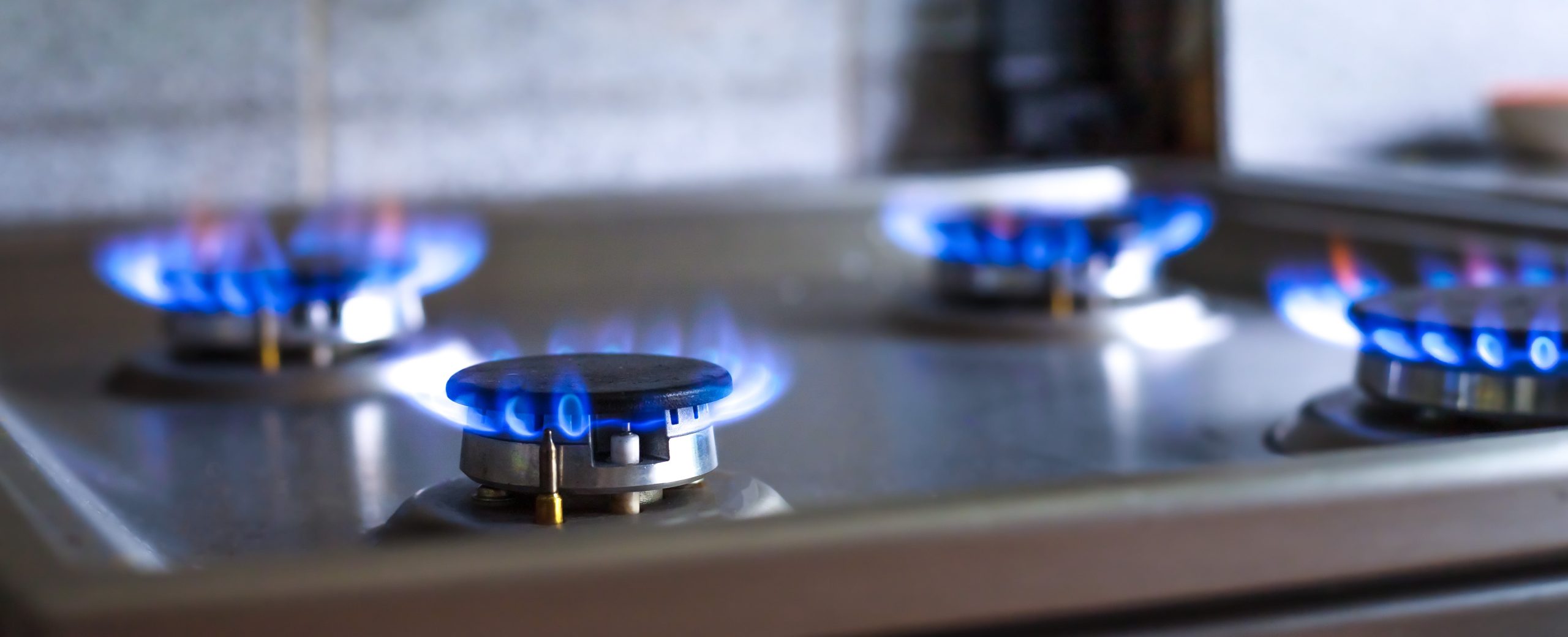
Gas safety certificates aren't only about meeting your legal obligations. They also ensure that your tenants' property is secure. To avoid any unanticipated costs it's best to look around and obtain quotes from multiple engineers before making a decision. The best method to do this is to ask your landlord friends for recommendations or reading online reviews.
The location plays a significant role in the cost of a gas safety test because prices differ greatly across the UK. For example, landlords in urban areas might have to pay more than those in rural or remote regions. Additionally, the type of property can also impact the price. Larger properties require more time to examine and are more expensive than smaller homes.
If a tenant refuses access to a safety inspection on gas, the landlord can try to persuade them with an explanation in a letter explaining why they need access and what is expected in the checks. If this doesn't work the landlord should call the local council and discuss the situation. If the problem persists the landlord can initiate the eviction process by serving an eviction notice under Section 21.
If a landlord isn't allowed access to their property to perform a Gas Safety Certificate, they must notify the local authority immediately. The authority will send a Gas Safe registered Engineer to the property to conduct a thorough inspection of the appliances and pipework. This includes confirming the flues and their condition as well as assessing the fittings and pipework for their physical integrity and determining the presence of flues. It will also be able to determine if the appliances have been altered with or moved from their original positions.
The cost of gas safety certificates is a recurring expense
When a landlord rents out their property legally, they are obliged to ensure that all appliances comply with the gas safety regulations. This involves having an engineer carry out annual gas safety inspections. Landlords are also required to keep the record of the inspection and must be aware of any potential problems. These issues might include gas leaks, fire dangers, or broken flues. The cost of a gas safety certificate is therefore a recurring expense for landlords, and should be incorporated into their property maintenance budgets.
The cost of a landlord gas safety certificate is contingent on the size of the property and the number of appliances. Standard inspections are priced between PS60 and PS90 and usually only cover one boiler and one appliance. The price increases in the event of more than two gas appliances in the house.
Landlords are responsible for ensuring that they have an active CP12 gas safety certificate in place. Failure to comply with this requirement can result in penalties or even imprisonment. The best way to make sure you are in compliance is to arrange an inspection of gas safety every 12 months.
A CP12 is an official document that documents the results of a gas inspection and is issued to landlords by a licensed Gas Safe engineer. The certificate is valid for a period of 12 months and is required by law for all rental properties in the UK. It is recommended that landlords plan the inspection at least a few weeks before the expiry date to give them time to book an engineer and prepare their property for the inspection.
If a landlord has recently installed the boiler, he/ might be concerned about having to get another CP12 earlier than the normal. However, if the new boiler was fitted by a Gas Safe registered engineer and the previous CP12 is still valid, then there is no requirement for the landlord to obtain another inspection.
It is essential for landlords to understand what a gas safety certificate will cost, what factors affect the cost and how to reduce the chance of not complying. This will assist them in managing their finances and avoid penalties.